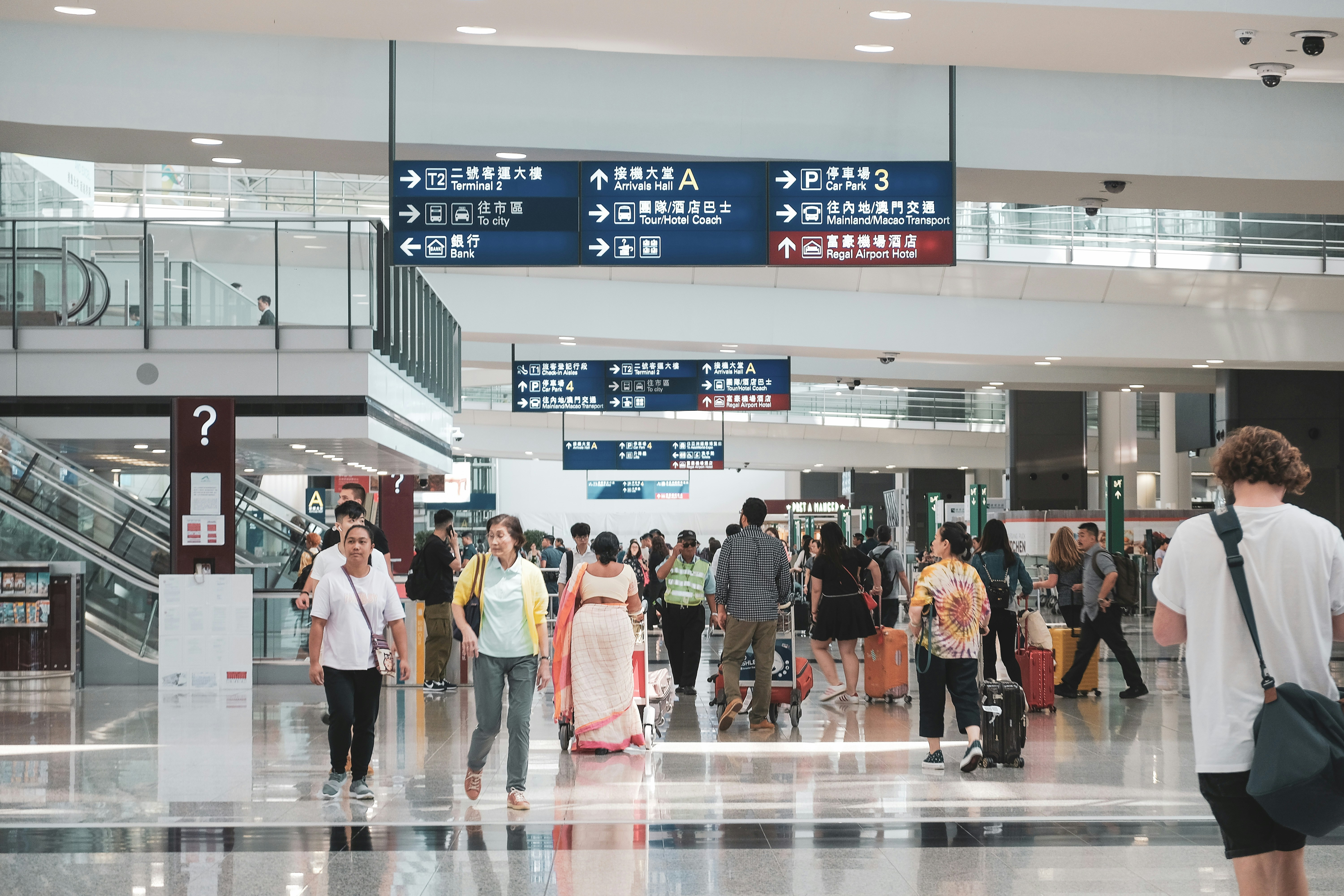
Language Barriers: Overcoming Communication Challenges
Traveling to foreign countries often presents unique challenges, one of the most significant being language barriers. When individuals are confronted with different languages, effective communication can become increasingly difficult, ultimately impacting their overall travel experience. Understanding and addressing these communication hurdles is essential for any traveler seeking to navigate through unfamiliar territories.
Language barriers can lead to misunderstandings, frustration, and even missed opportunities to engage with local culture. For instance, a traveler may struggle to order food, seek directions, or ask for assistance. This can diminish the enjoyment of unique experiences that might otherwise enrich their journey. Fortunately, several strategies can be employed to effectively mitigate these challenges and enhance communication.
One effective approach is utilizing translation applications available on smartphones. These apps can provide real-time translations for spoken and written language, making communication more feasible. Popular options like Google Translate offer features that allow users to take photographs of text, translate conversational phrases, and even engage in spoken dialogue. Such technology can serve as a reliable assistance tool for overcoming language barriers.
Another practical solution is learning basic phrases in the local language before embarking on a trip. Knowing greetings, common questions, and simple commands can significantly improve interactions with locals and demonstrate respect for their culture. Moreover, many native speakers appreciate the effort made to communicate in their language, which can foster goodwill and open up richer exchanges.
Lastly, relying on gestures and body language can also be an effective method of communication. While not always ideal, using hand movements or visual aids can help convey messages when words fail. Emphasizing clarity and patience during these interactions can lead to better mutual understanding.
Transportation Issues: Delays and Cancellations
When planning travel, transportation is a crucial element that can significantly impact the journey. Travelers often face a range of transportation issues, with flight delays, train cancellations, and rental car problems being among the most frequent challenges. Different types of transportation may experience disruptions due to various factors, including weather conditions and operational inefficiencies.
To mitigate the risk of encountering such problems, preparation is key. First and foremost, travelers should verify their transportation schedules prior to departure. This involves continuously checking for updates from airlines or rail services, particularly in the days leading up to the travel date. Many airlines and train companies have mobile applications or websites that provide real-time updates, which can be invaluable for staying informed about any potential delays or cancellations.
Furthermore, travelers should consider booking flexible tickets, especially during peak travel seasons or times of potential disruption. Flexible tickets may allow for easier rebooking in case of cancellations, reducing the stress associated with sudden changes. If renting a car, it is advisable to confirm the reservation closer to the travel date and check the pick-up and drop-off locations, as well as the availability of vehicles.
In addition, having a contingency plan can be helpful. This may include knowing alternative transportation options, such as local taxis or public transit, which can serve as backups in case primary travel plans are disrupted. Travelers are also encouraged to stay connected with travel assistance services, which can often provide guidance and support during unforeseen circumstances.
Ultimately, staying organized and informed plays a vital role in managing transportation issues effectively. By taking proactive steps and maintaining flexibility, travelers can navigate the complexities of transportation disruptions, ensuring a smoother travel experience.
Accommodation Problems: Finding the Right Place to Stay
Traveling often comes with the daunting task of securing suitable accommodation. This crucial element of travel can significantly impact one’s experience, yet many travelers encounter various challenges related to their lodging. Booking errors, for instance, can lead to unexpected situations. When a reservation is made but fails to be honored upon arrival, it can become a source of considerable frustration. Moreover, travelers may find that a property they booked is either unavailable or substantially different from online representations, thereby raising concerns about cleanliness and overall quality.
To alleviate such accommodation problems, it is important to approach the booking process strategically. First, research different online platforms that specialize in hotel reservations, as they offer extensive user reviews and detailed descriptions that can provide insights into the quality and reliability of a given property. Always verify your booking details, such as check-in and check-out times, the type of room reserved, and any added amenities, against confirmation emails. This simple step can help clarify expectations and reduce the likelihood of any disputes upon arrival.
In the event a problem arises, such as a dirty room or an inaccurate representation of the accommodation, it is advisable to address these grievances directly with hotel management. Approach the situation calmly and provide documentation or evidence, such as pictures or emails, to support your claims. Most establishments value customer satisfaction and may offer solutions, which could include complimentary upgrades or refunds. In recognizing that problems can occur, being well-prepared and maintaining open communication can enhance the prospects of a pleasant stay.
Health and Safety Concerns: Staying Secure While Traveling
Traveling often brings with it a host of health and safety challenges that demand careful attention. One of the foremost concerns for travelers is food and water safety. In many destinations, the water quality may not meet the standards that you are accustomed to, leading to gastrointestinal issues. To combat this, it is advisable to consume bottled water and to verify that food is properly prepared and cooked. Street food can be enticing; however, prioritizing hygiene and how food is handled can greatly reduce the risk of foodborne illnesses.
Another consideration is the risk of accidents while traveling, which can vary markedly depending on the destination. Familiarizing yourself with local traffic laws, wearing appropriate safety gear, and avoiding risky activities can minimize the chances of injury. Furthermore, it is wise to invest in travel insurance that covers medical emergencies, ensuring prompt medical attention when needed.
Personal safety is also a significant concern. Theft and petty crime can occur, particularly in crowded areas. Keeping valuables secure and being aware of your surroundings can help prevent incidents of theft. Traveling with a companion and using reputable transportation options can further enhance personal safety.
Preparing for potential health issues should also include carrying a basic medical kit, which should contain items like band-aids, antiseptic wipes, and any prescribed medications. Researching clinics or hospitals in your destination can expedite care in case of an emergency. For those with specific health needs, consulting a healthcare professional before traveling is essential to ensure appropriate measures are in place.
Ultimately, being proactive about health and safety will contribute to a more enjoyable travel experience. By adhering to these guidelines and taking the necessary precautions, travelers can safeguard their well-being while fully immersing themselves in their adventures.